

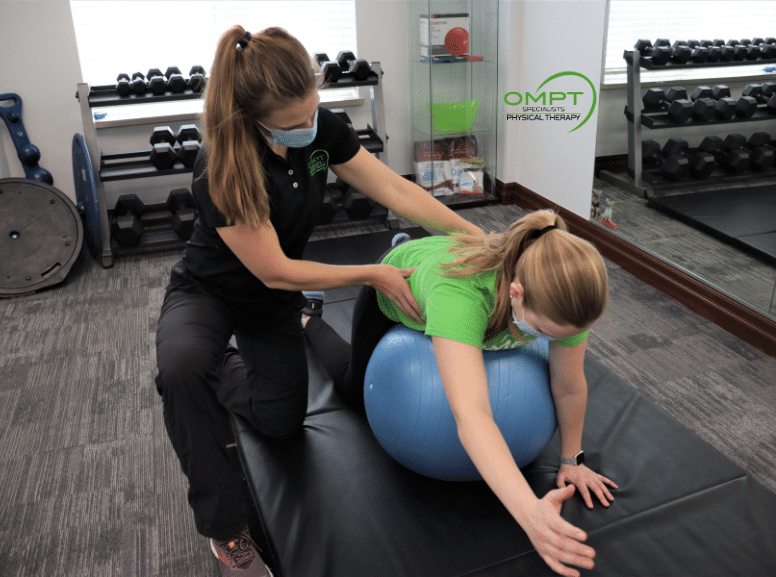
Oftentimes, pain in the back stems from an imbalance of movement among segments (some segments moving too much, and others moving not enough). Commonly, neck pain and low back pain will happen as a result of hypermobility (extra movement) in certain segments. When this happens, the body will naturally try to compensate for the extra motion and as a result the surrounding segments, including in the thoracic spine, can become hypomobile (stiff). This is why in PT we do not just treat 1 problematic segment- we will look above and below to see how different areas of the body are influencing one another.
Additionally, even without neck or low back problems, the thoracic spine tends to be more stiff based on the shape of the vertebrae and because of the attachment of the ribs. This area is made to be strong and stable to protect important organs like the heart and lungs, which makes it easier for it to become stiff. This is why the thoracic spine is an important focus when it comes to maintaining good mobility.
While common things happen commonly, it is important to remember that everyone is different and pathology can vary based on a number of factors (age, medical history, previous injuries, spine abnormalities resulting from different postures or other diagnoses such as scoliosis, etc.). If you are experiencing feelings of stiffness or pain in your back, this is where a physical therapist can help by completing a thorough evaluation and prescribing an exercise routine that can address your specific mobility needs!