
Recovering from surgery involves more than allowing your body time to heal. While surgery addresses the injury or condition, physical therapy helps restore the strength, mobility, and function needed to return to your normal activities.
Skipping physical therapy after surgery may lead to increased stiffness, reduced strength, limited movement, and a longer recovery process.
Every surgery and recovery timeline is different, and your surgeon’s recommendations should always guide your treatment plan. However, for many patients, physical therapy plays an important role in helping the body safely transition from healing to full function.
Why Is Physical Therapy Important After Surgery?
Surgery can repair damaged tissues, stabilize an injury, or correct a medical condition, but your body still needs support to regain normal movement patterns. After surgery, muscles may become weaker, joints may become stiff, and everyday movements may feel more difficult.
Physical therapy helps support recovery by focusing on:
- Improving flexibility and range of motion after periods of limited movement
- Strengthening muscles affected by surgery or inactivity
- Helping your body move safely and efficiently
- Preventing restrictions that can make movement more difficult
- Helping you safely resume work, exercise, hobbies, and daily routines
While rest is an important part of recovery, gradually restoring movement is also essential for regaining function.
What Happens If You Skip Physical Therapy After Surgery?
Some patients may feel better shortly after surgery and wonder whether physical therapy is necessary. However, feeling better does not always mean your body has fully regained strength, mobility, or proper movement patterns.
Skipping physical therapy after surgery may contribute to several challenges during recovery.
You May Lose Strength and Muscle Function
After surgery, reduced activity can cause muscles to weaken, especially around the affected area. Without targeted exercises and guidance, you may have difficulty rebuilding the strength needed for everyday activities.
Physical therapy helps you gradually rebuild strength while ensuring exercises are appropriate for your stage of recovery.
Your Range of Motion May Become Limited
Stiffness is common after surgery, especially when a joint or body area has been immobilized or used less frequently.
Limited mobility may make it harder to:
- Bend or straighten a joint fully
- Perform everyday movements comfortably
- Return to activities you enjoy
- Move without compensation
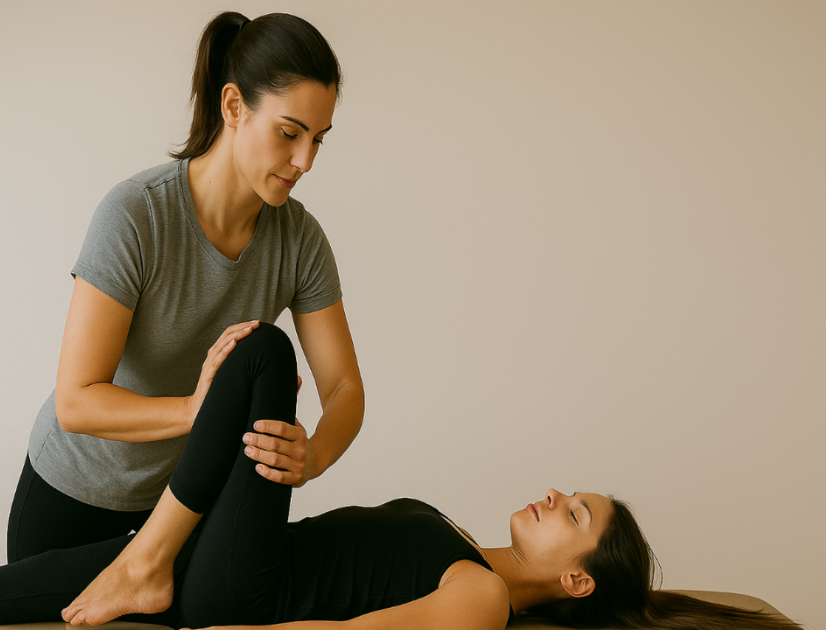
A physical therapist can help improve mobility through customized exercises and hands-on techniques designed around your recovery goals.
Your Recovery May Take Longer
Recovery involves more than waiting for your body to heal. It also requires progressively rebuilding movement, strength, and confidence.
A structured physical therapy program helps guide your recovery by showing you:
- Which movements are safe
- How to progress exercises appropriately
- When to increase activity
- How to avoid unnecessary strain
Without proper guidance, some patients may struggle to safely advance their activity levels.
You May Develop Poor Movement Patterns
When an area of the body is painful, weak, or limited after surgery, people often adjust the way they move without realizing it.
For example, someone recovering from lower-body surgery may change the way they walk, or someone recovering from shoulder surgery may avoid certain movements.
Over time, these changes can affect how your body functions and may contribute to discomfort in other areas.
Physical therapy focuses on restoring healthy movement patterns, not just treating the area affected by surgery.
Is Physical Therapy Necessary After Every Surgery?
Not every patient requires the same type or amount of rehabilitation after surgery. Your recovery plan depends on factors such as:
- The type of surgery you had
- Your overall health
- Your current level of mobility
- Your recovery goals
- Your surgeon’s recommendations
Physical therapy is commonly recommended after procedures such as:
- Joint replacement surgery
- ACL and other ligament repairs
- Rotator cuff surgery
- Sports-related procedures
- Spine surgery
- Fracture repairs
Your healthcare team can help determine what level of rehabilitation is appropriate for your specific situation.
What Should You Expect During Physical Therapy After Surgery?
If you have never been to physical therapy before, you may wonder what the process looks like. Your first appointment helps your physical therapist understand your current abilities, challenges, and goals.
During your initial visit, your physical therapist may:
- Review your surgical history and recovery timeline
- Evaluate your mobility, strength, and movement patterns
- Discuss your goals and daily activities
- Create a personalized treatment plan
Your treatment plan may include:
- Therapeutic exercises
- Mobility and flexibility training
- Strengthening exercises
- Balance and coordination activities
- Manual therapy techniques
- A customized home exercise program
Every recovery journey is different, which is why personalized care is so important.
Recover Stronger With Personalized Post-Surgical Physical Therapy
Recovering from surgery takes time, patience, and the right support. Physical therapy can help you safely rebuild strength, improve mobility, and regain confidence as you work toward your recovery goals.
At OMPT Specialists, our physical therapists provide personalized care designed around each patient’s needs. Through individualized treatment plans and hands-on techniques, our team helps patients move better, feel stronger, and return to the activities that matter most.
Whether you are recovering from an orthopedic procedure, sports injury, or another surgery affecting your movement, physical therapy can provide the guidance you need throughout recovery.
Schedule your physical therapy appointment today!
Frequently Asked Questions About Physical Therapy After Surgery
What happens if you don’t do physical therapy after surgery?
Skipping physical therapy after surgery may lead to reduced strength, stiffness, limited mobility, and difficulty returning to normal activities. Physical therapy helps patients safely rebuild movement and function after surgery.
Can you recover from surgery without physical therapy?
Some patients may recover without formal physical therapy depending on their procedure and individual circumstances. However, many people benefit from guided rehabilitation to restore strength, mobility, and confidence.
How soon after surgery should you start physical therapy?
The timing depends on the type of surgery, your surgeon’s recommendations, and your individual recovery needs. Some patients begin physical therapy shortly after surgery, while others may need more time before starting rehabilitation.
Read more: https://www.omptspecialists.com/blog/when-should-you-start-physical-therapy-after-surgery
Is physical therapy painful after surgery?
Physical therapy should be challenging, but it should not cause unnecessary pain. Your physical therapist will adjust your treatment plan based on your healing progress, comfort level, and goals.
What types of surgeries benefit from physical therapy?
Many procedures benefit from physical therapy, including joint replacements, ligament repairs, sports injuries, spine procedures, and surgeries that affect mobility or strength.